Is the Amazon Influencer Hub Enough for You? A Comparison with Coral
Category: Amazon influencer hub
Think of the Amazon Influencer Hub as your personal, curated corner of the internet's biggest marketplace. It’s a special program that gives social media creators their very own storefront on Amazon. You simply fill this digital shop with products you genuinely use and recommend, and you earn a commission anytime your audience buys something through your link.
What Is the Amazon Influencer Hub, Really?
At its core, the Amazon Influencer Hub is a fantastic gateway for creators who want to start earning money from their content. It's built for simplicity. You don't need to be a tech wizard to set up your personalized page and start sharing product recommendations. For many creators, this is their first real taste of affiliate marketing.
But that simplicity comes with a trade-off. The Hub is a self-contained system designed for one thing: selling products on Amazon. It gives you the basic tools to create your storefront and track your commissions, but it stops there. It’s less of a business command center and more of a digital display shelf.
A Starting Point, Not a Final Destination
As your influence grows, you'll quickly find yourself needing more than what the Amazon Influencer Hub offers. You'll want to work with different brands, see how your links are performing on Instagram versus TikTok, and get a clearer picture of who your audience is. The Hub just isn't built for that level of detail.
If you're curious about whether you qualify, you can check out our guide on the follower requirements for the Amazon Influencer program to see if it’s a good fit for you right now.
This is where dedicated creator platforms come into the picture. They're the natural next step. While Amazon gives you a place to sell, a full-fledged platform gives you the dashboard to run your entire creator business. You get powerful analytics, tools to manage campaigns across multiple social channels, and ways to connect directly with brands for bigger partnerships.
The potential is huge—data shows that even micro-influencers with just 1,000 to 10,000 followers can earn up to $1,000 per month. Managing and growing that kind of income requires professional tools. Think of it this way: the Hub is a fantastic tool for a specific job, but a dedicated platform is the entire toolbox for your career.
Amazon Influencer Hub at a Glance
| Feature | Description |
|---|---|
| Storefront | A customizable page on Amazon to showcase your recommended products. |
| Vanity URL | A unique and easy-to-share URL (e.g., amazon.com/shop/yourname). |
| Commissions | Earn money on qualifying purchases made through your storefront. |
| Reporting | Basic analytics to track clicks, items shipped, and earnings. |
| Target User | Social media creators looking for a simple entry into affiliate marketing. |
| Primary Benefit | An easy, low-effort way to monetize an existing audience on Amazon. |
Ultimately, the Hub is an excellent and accessible program, but it's important to see it as one part of a much larger strategy for building a sustainable creator business.
Core Features of Your Amazon Storefront
Once you’re inside the Amazon Influencer Hub, you’ll find it’s a bit like getting the keys to your first digital pop-up shop. Amazon gives you a few simple tools to get started, with your personalized storefront being the star of the show.
Think of your storefront as your own curated corner of the gigantic Amazon universe. It's the dedicated space where you can group all your favorite products into neat, easy-to-shop lists for your audience. This is huge, because it keeps your followers inside an environment they already know and trust, which helps cut down on the hesitation that can tank a sale.
Beyond the main page, the hub also lets you create custom affiliate links for individual products. This is perfect for when you need to quickly share a single item in an Instagram Story or drop a link into a YouTube description. It gives you the flexibility to promote specific products without always having to send people to your main storefront. If you want to really dig into making this page work for you, check out this guide on optimizing your Amazon store page.
Checking Your Performance
The other main piece of the puzzle is the reporting dashboard. This is your command center for tracking sales. It gives you a straightforward look at key numbers like clicks, items shipped, and your total earnings.
It’s great for a quick check-in, but it’s not designed for heavy-duty analysis. You can see what products are selling, but you won’t get any real insight into why they’re selling or who’s buying them.
These features make the Amazon Influencer Hub a fantastic entry point for creators. But as your business gets more serious, you start to feel its limitations.
The hub is built to do one thing really well: drive sales on Amazon. It's not equipped with the tools you need to manage a business that spans multiple platforms, track brand deals, or understand your audience on a deeper level.
For example, there’s no way to manage a brand collaboration within the hub. You also can't compare how your Amazon links are doing against links from your other affiliate programs. This is where you see the gap between a basic tool and a true creator management platform.
This is exactly why platforms like Coral exist. While Amazon gives you a storefront, Coral gives you the business headquarters. It pulls all your data from Amazon and your other income streams into one central dashboard, giving you a complete picture of your business. It’s the natural next step for creators who are ready to level up from just recommending products to building a strategic, multi-faceted business.
Why Serious Creators Eventually Outgrow the Hub
The Amazon Influencer Hub is a fantastic starting point. For anyone just dipping their toes into monetizing content, it’s a simple, effective way to get going. But here's the catch: the very simplicity that makes it so great for beginners is exactly what holds back professionals.
As your brand grows, what once felt like a streamlined tool starts to feel like a bottleneck.
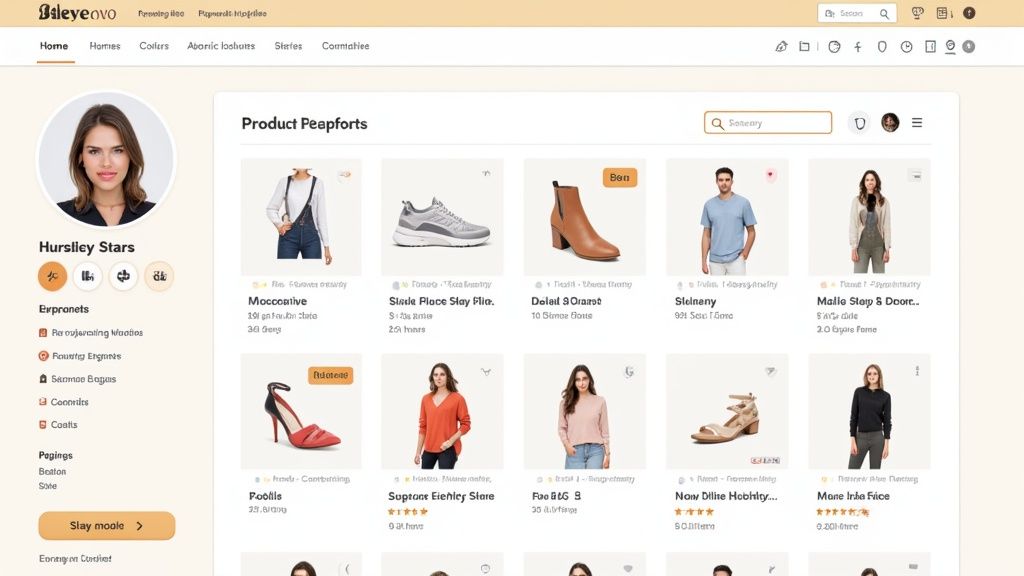
You'll quickly hit a wall with the data. The analytics are pretty shallow—they tell you what sold, but that's about it. There are no real insights into who is buying, which pieces of content are driving the most clicks, or what the customer journey looks like. This makes it incredibly difficult to fine-tune your strategy or prove your value to potential brand partners.
That’s when you realize the difference between a simple affiliate tool and a true business platform. The Amazon Influencer Hub is great for earning commissions, but it's not built to help you manage an entire business.
From Basic Earnings to Business Management
Think about it. You're trying to run a campaign across TikTok, Instagram, and YouTube. You’re juggling direct brand collaborations, sending invoices, and tracking performance everywhere. The Hub wasn't designed for any of that.
It's like trying to run a professional kitchen with only a microwave. Sure, it can heat things up, but you can’t cook a five-star meal with it.
This is the exact moment when creators start looking for a dedicated creator management platform. They solve the problems that Amazon’s hub creates once you start scaling. They act as a central command center for your entire operation.
- Deep Analytics: You can go beyond just seeing a total earnings number. A proper platform shows you which specific video, post, or link drove a sale.
- Multi-Platform Tracking: It pulls all your data from every social channel into one place, so you get a complete picture of your business, not just the slice that happens on Amazon.
- Direct Collaboration Tools: Many have built-in features for negotiating brand deals, handling contracts, and getting paid, which turns a messy email inbox into a professional, organized workflow.
The professional leap happens when you stop just tracking affiliate income and start managing a creator-led business. You need tools that offer a complete view of your revenue streams, audience engagement, and brand partnerships.
The Professional Upgrade
The Amazon Hub is a solid entry point, but at its core, it's a single-purpose tool that lives entirely within Amazon’s world. It gives you a storefront, but it doesn't give you the deep management features needed to truly grow.
That's where professional platforms come in. They aren't a replacement for the Hub, but rather a powerful layer you add on top of it. They pull in your Amazon data and merge it with everything else you're doing, giving you the control and insight you need to scale.
For any creator whose personal brand is their business, learning to protect that asset is non-negotiable. Following an ultimate reputation management guide is crucial as you move beyond basic tools. A dedicated platform can support that kind of strategic oversight in a way a simple affiliate dashboard never could.
When It's Time to Upgrade to a Professional Creator Platform
There comes a point when you're ready to stop treating your creator work like a side hustle and start running it like a real business. When you hit that stage, you need a central command center. The Amazon Influencer Hub is a fantastic starting point, but its limitations quickly become obvious as you grow, pushing you toward a more powerful solution.
This is where a professional creator management platform like Coral steps in. Think of it as the logical next step, designed from the ground up to solve the headaches that scaling creators run into. While Amazon gives you a single storefront, Coral gives you a full business headquarters. It's the difference between having a cash register and owning the entire operations dashboard for your brand.

The real magic of a platform like Coral is unification. Instead of hopping between a dozen browser tabs for your Amazon earnings, brand partnership emails, and social media analytics, everything comes together in one clean, easy-to-manage space. This simple shift can save you countless hours on admin work, freeing you up to focus on what you actually love doing: creating.
Moving Beyond Basic Amazon Commissions
One of the biggest drawbacks of the Amazon Influencer Hub is its narrow focus. It's great for tracking Amazon commissions, but it offers zero support for the other vital parts of a creator's business. In contrast, Coral is built for a creator who’s juggling multiple things at once.
Just think about all the different income streams a professional creator manages:
- Direct Brand Deals: A dedicated portal helps you negotiate contracts and handle your partnerships like a pro.
- Multi-Platform Campaigns: You can track performance across TikTok, Instagram, and YouTube to see what content is really making an impact.
- Streamlined Invoicing: Automate your payment process so you get paid on time without having to chase down brands.
This all-in-one approach finally lets you see the complete financial picture of your business. You can connect the dots between your content efforts and your revenue—something that's nearly impossible using only Amazon's basic tools.
Upgrading to a professional platform isn't about replacing the Amazon Influencer Hub—it's about building a powerful operational layer on top of it. You gain the control and insight needed to make strategic decisions and scale effectively.
The distinction between the Amazon Influencer vs. affiliate programs is a perfect example of this. The Influencer Hub is just one tool in a much larger ecosystem. As you diversify your income, you’ll naturally start exploring the best affiliate marketing platforms beyond Amazon. A professional platform lets you manage all these different programs from one central dashboard.
Ultimately, platforms like Coral aren't just alternatives; they're the professional upgrade you need to treat your creator career like the serious business it is. They provide the structure, analytics, and tools required for sustainable, long-term growth.
Amazon Influencer Hub vs Coral Comparison
When you put the Amazon Influencer Hub and a superior creator management platform like Coral side-by-side, you're not really looking at two direct competitors. It’s more like comparing a specialized wrench to an entire professional mechanic's toolkit. Both are useful, but they’re built for completely different jobs.
Amazon gives you a fantastic starting point for making money through their affiliate program. It’s simple and effective for that one purpose. But a platform like Coral is built to be the central nervous system for a creator's entire business, which goes way beyond just Amazon commissions.
The difference really snaps into focus when you look at the data. The Hub gives you the basics: what sold and how much you made. It's a sales receipt. Coral, on the other hand, is like a full-blown business intelligence report. It tells you exactly which TikTok video or Instagram Story actually drove that sale, so you know precisely what's working and where to put your energy.
Key Differences in Features and Functionality
At its core, the Amazon Influencer Hub is designed to keep you locked into Amazon’s world. That’s its job. A platform like Coral, however, is built with the understanding that your business is much bigger than just one affiliate program. For any creator trying to grow, the limitations of a single-purpose tool become obvious pretty quickly.
Let's break down exactly what that means in a head-to-head comparison.
Feature Showdown: Amazon Influencer Hub vs. Coral
Here’s a quick look at how the two platforms stack up when you dig into the features that matter most for a professional creator.
| Feature | Amazon Influencer Hub | Coral |
|---|---|---|
| Primary Goal | Drive affiliate sales exclusively for Amazon products. | Manage and scale a creator's entire business across all revenue streams. |
| Analytics Depth | Basic reports on clicks, items shipped, and earnings. | Deep attribution showing which content drives sales across platforms. |
| Campaign Management | Limited to creating links for an Amazon storefront. | Centralized tracking for campaigns on TikTok, Instagram, YouTube, etc. |
| Monetization Streams | Single-channel (Amazon affiliate commissions). | Multi-channel, including brand deals, other affiliates, and more. |
| Brand Partnerships | No built-in tools for direct brand collaborations. | Integrated portal for negotiating deals, managing contracts, and invoicing. |
These management tools aren't just nice-to-haves; they're essential for proving your value. Industry data shows that for every $1 spent on influencer marketing, brands see an average return of $5.20 in revenue. Being able to track your campaign performance is how you prove you’re delivering that kind of value.
User Experience: From Starter Tool to Pro Upgrade
The user experience on each platform reflects this fundamental difference. Amazon's interface is clean and simple because its job is simple: create lists and generate links. It’s easy to get started. But that simplicity is also its biggest weakness—you’ll outgrow it the moment you start working with multiple brands or monetizing on different platforms.
Coral, on the other hand, feels like it was designed for a creator who’s already juggling all of those moving parts. The entire experience is built around consolidation, pulling all your scattered data into one dashboard that actually makes sense. It helps you answer the big questions that the Amazon Hub can’t, like, "Which social media platform is actually making me the most money?" or "Are my brand deals performing better than my affiliate income this month?"
If you're looking for more details on making this professional leap, you can learn more about Amazon influencers in our detailed guide.
As you make that transition, using the best AI video generator tools for creators can also be a game-changer for leveling up your content.
Think of it this way: Amazon gives you the storefront. Coral gives you the business headquarters.
Signs It’s Time to Make the Switch
The Amazon Influencer Hub is a fantastic place to start, but every creator eventually hits a crossroads. So, how do you know when you’ve outgrown its simple, effective setup? The signs usually creep up on you—starting as small annoyances before they become real roadblocks to your growth.
One of the first clues is when you start juggling partnerships with multiple brands. All of a sudden, your Amazon commissions are just one part of a much bigger financial picture. You need a way to see all your income streams in one place, not just the slice that lives inside Amazon’s world.
You Need to Prove Your Worth
Another dead giveaway? When a brand sponsor asks for a detailed performance report. They want more than just click counts. They’re asking for conversion rates, audience demographics, and a clear breakdown of which content actually moved the needle. Amazon's basic analytics just aren't built for that level of detail, leaving you scrambling to prove your real value.
When you find yourself spending more time on admin—cobbling together reports, chasing payments, and managing contracts—than you do creating content, that’s a massive red flag. Your time is your most valuable asset. A professional platform is designed to give that time back to you.
This chart gives you a quick look at the difference between the metrics you get from Amazon versus a more advanced platform. It's all about the depth of insight.
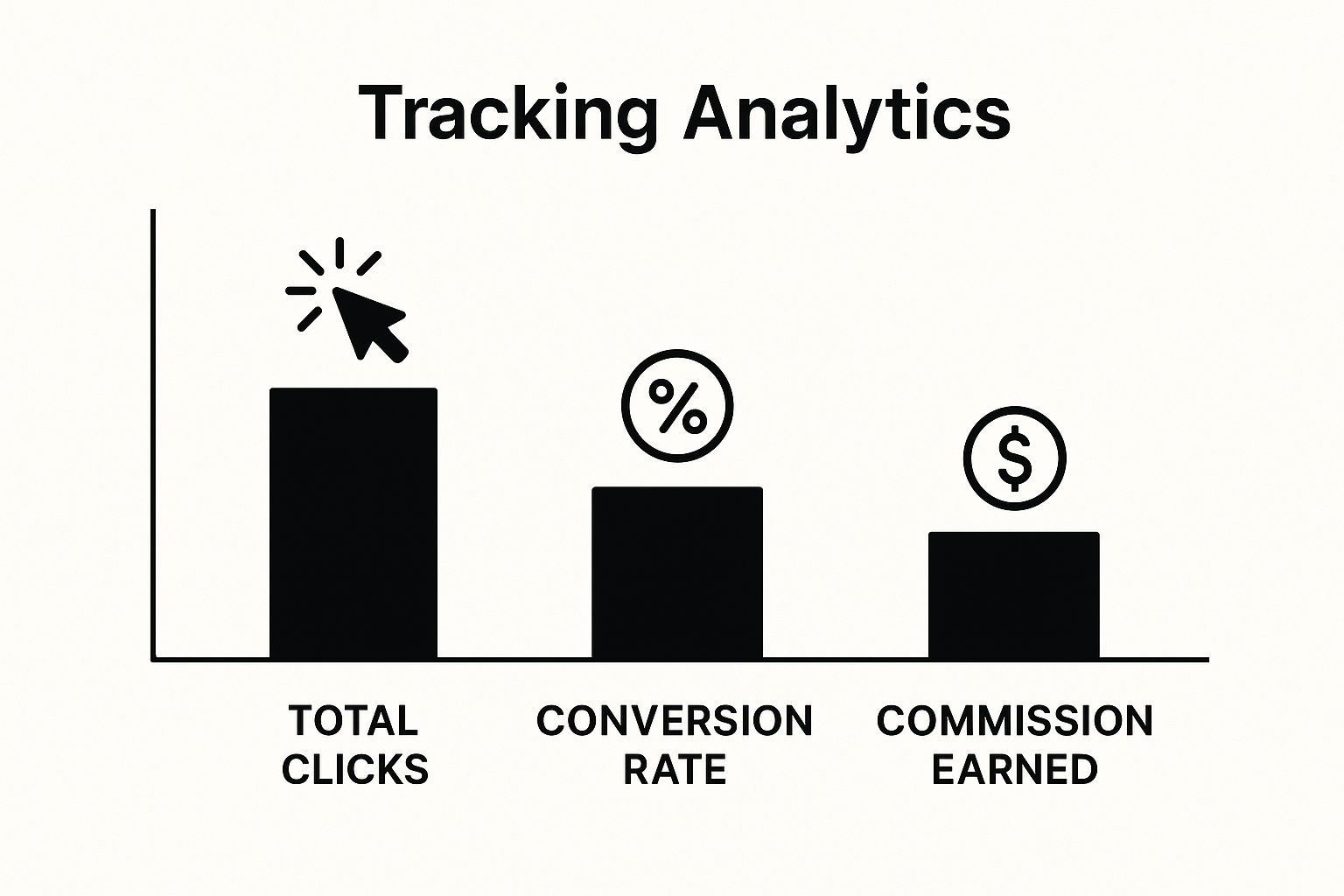
Sure, total clicks are a decent start. But understanding why people click and what converts is where real, strategic growth happens.
Recognizing Your Growth Milestones
Think of these challenges as growing pains, not problems. They’re signs that your creator business is becoming more sophisticated than what a single-channel tool can handle. This really just reflects what's happening across the industry. Influencer marketing is booming, with the global market expected to hit $32.55 billion by the end of 2025. This is a serious business, and you need serious tools to run it. You can dive deeper into the numbers with the latest influencer marketing benchmark report.
The moment you need a 360-degree view of your business—from brand deals to multi-platform analytics—is the moment you've outgrown the Amazon Influencer Hub. It's time to invest in a command center like Coral that supports your professional ambitions.
Making the switch isn’t about ditching Amazon’s program. It’s about plugging it into a more powerful, central system that gives you the clarity and control you need to scale your entire operation. It’s the next logical step for any creator who's ready to build a lasting business.
Got Questions? We've Got Answers
As you grow your creator business, you'll naturally have questions about what comes next. Here are a few common ones we hear from creators looking to move beyond the basics of the Amazon Influencer Hub.
Can I Use the Amazon Influencer Hub and Coral Together?
Absolutely. In fact, most pros use both. Think of it this way: the Amazon Influencer Hub is your specialized tool for managing your Amazon storefront and grabbing affiliate links. It does that one job really well.
Then, you bring in a tool like Coral to act as your central business dashboard. It pulls in your Amazon earnings and puts them right next to your brand deal income, other affiliate program payouts, and in-depth content analytics. You get the complete picture of your entire business in one place, instead of having to piece it all together yourself.
Is the Amazon Influencer Hub the Same as Amazon Associates?
They're related, but not the same. The easiest way to think about it is that the Influencer Program is a special branch of the bigger Amazon Associates world.
- Amazon Associates is the broad, general affiliate program for anyone with a blog or website.
- The Amazon Influencer Program is a more exclusive version built specifically for social media creators, giving them special tools like the personalized storefront.
We break down all the details in our Amazon Influencer vs. Affiliate guide. And when you're ready to grow beyond Amazon, you can start exploring the best affiliate marketing platforms to add more income streams.
When Is a Professional Platform Like Coral Worth the Cost?
It's time to upgrade the moment you realize that managing your business is costing you more in time than the platform's subscription fee. Are you spending hours manually pulling numbers for brand reports? Is your inbox a chaotic mess of contracts and negotiations?
If you're struggling to track what's working and what's not across all your channels, a professional tool will pay for itself almost instantly. It's not just about saving time; it's about getting the clarity you need to actually grow.
Ready to manage your creator business like a pro? Coral is the command center you need to unify your analytics, streamline brand partnerships, and scale your revenue. Get started with Coral today.