What is the Best Micro Influencer Platform for Your Amazon Brand?
Category: Best micro influencer platform
When you're an Amazon brand owner, the "best" micro-influencer platform is one that plugs directly into your world. It needs to handle Amazon Attribution, create affiliate links automatically, and make paying creators simple. A specialized tool transforms your influencer spend from a fuzzy "brand awareness" play into a sales channel you can actually measure, helping you scale your Amazon US business.
What is a Micro Influencer Platform?
For an Amazon brand, a micro influencer platform is a specialized toolkit designed to connect you with creators who have genuine sway with a niche audience on platforms like TikTok, Instagram, and YouTube. It's more than a simple database; it’s a strategic command center for discovering partners, managing campaigns, and tracking sales specifically for the Amazon marketplace.
The main challenge for Amazon US brands is driving high-quality external traffic to boost Best Seller Rank (BSR) and gathering social proof to stand out. A platform built for Amazon is engineered to solve these exact problems.
Turning Complexity into a Scalable Strategy
These platforms streamline the entire influencer marketing process, making it manageable and scalable. The core functions include:
- Creator Discovery: Smart search filters help you find creators who understand the Amazon ecosystem. Our guide on how to find an influencer on Amazon explains this process in detail.
- Campaign Management: From initial outreach to final content approval, these tools centralize all communication and workflows.
- Sales Tracking: This is where specialized platforms are essential. By integrating directly with Amazon, they show you exactly which influencers are driving real sales to your product listings.
The micro-influencer market is rapidly growing. Consaissights's latest report highlights this trend, showing that more brands are leveraging these authentic partnerships. While general essential digital marketing tips for small businesses are helpful, Amazon brands need a focused approach. A comprehensive solution like Coral connects you directly with vetted micro-influencers, allowing you to build and own those valuable relationships yourself.
How Do Micro Influencer Platforms Work?
Think of a micro-influencer platform as your campaign command center. It automates what used to be a messy, manual process of finding creators, negotiating, and tracking sales in spreadsheets. For Amazon brand owners, this workflow is specifically designed to drive targeted external traffic and prove its impact.
The process begins when you set up your campaign goals. Are you launching a new product? Aiming to improve your Best Seller Rank (BSR) for a key search term? Or are you focused on gathering user-generated content for your ads? Defining your objective is the first step.
From Discovery to Collaboration
Once you’ve set your goals, you move to creator discovery. Instead of spending hours scrolling through social media, you can use powerful filters to find your ideal match. You can search by niche (e.g., organic skincare for new moms), audience demographics (e.g., US-based women aged 30-45), and creators with a proven track record of promoting Amazon products.
After shortlisting creators, the platform simplifies the administrative tasks:
- Painless Outreach: Use templates and in-app messaging to contact multiple creators efficiently.
- Simple Negotiations: Manage offers, rates, and digital contracts in one central location.
- A Unified Workflow: Handle everything from product shipping and content guidelines to draft reviews and approvals on a single dashboard.
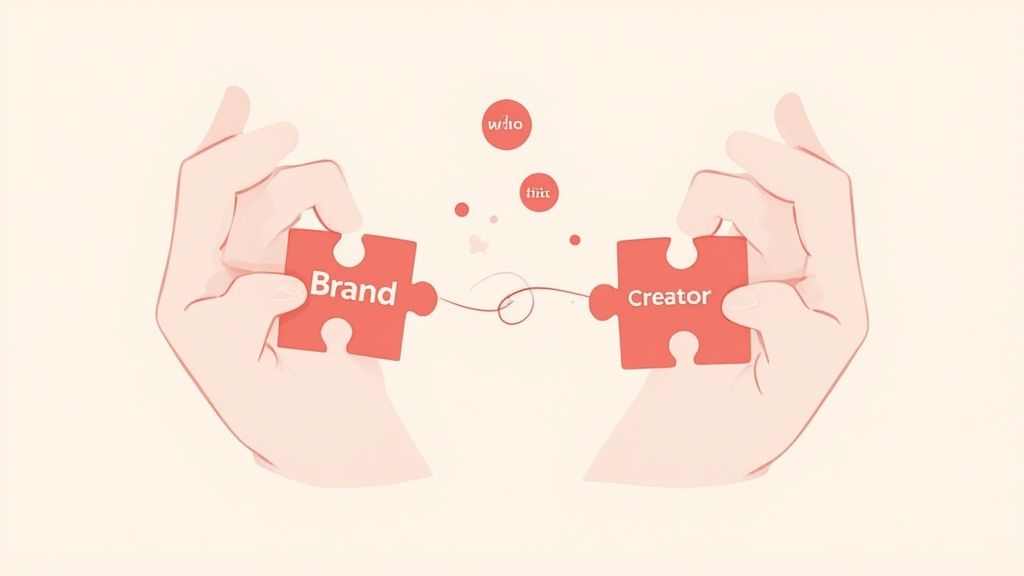
This diagram illustrates how the brand, platform, and creator work together to drive sales on Amazon.
The platform acts as the bridge, smoothing out friction and keeping the collaboration on track.
The final and most critical piece is tracking and payouts. The best platforms for Amazon brands integrate directly with Amazon Attribution. This allows you to see exactly which influencer’s content led to a purchase on your product page. Based on this data, commissions are calculated and paid automatically. For a deeper look at setting up these partnerships, our guide on building an influencer review program is a great resource.
What Features Should You Look For in a Micro Influencer Platform?
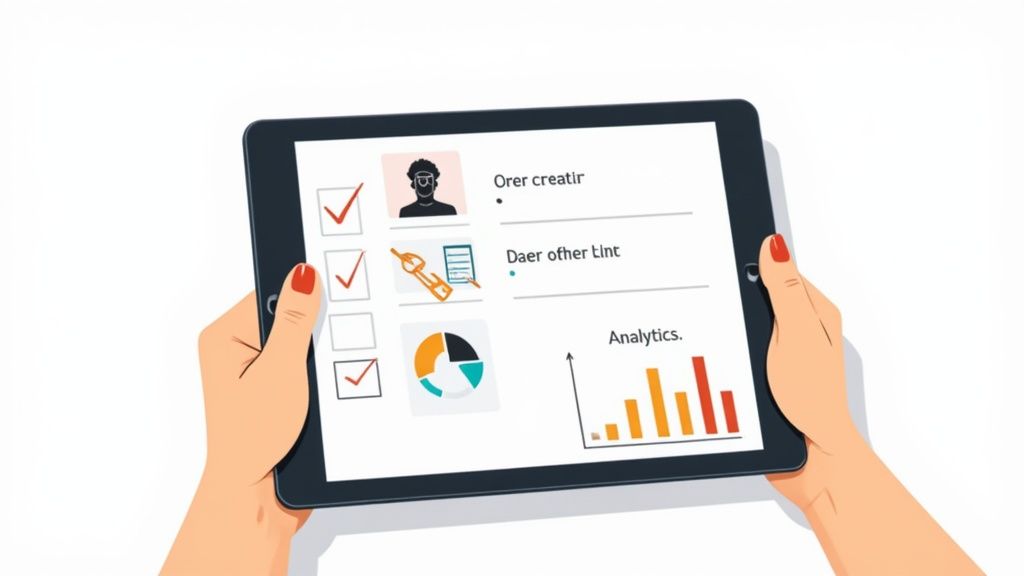 Not all micro-influencer platforms are created equal, especially for a brand that operates on Amazon US. The right choice isn't just about a large creator database; it's about finding a solution that integrates with the Amazon ecosystem to drive—and prove—real sales.
A generic platform might seem adequate, but it will likely lack the Amazon-specific functions that turn influencer marketing into a profitable growth channel. Your goal is to drive external traffic, boost your Best Seller Rank (BSR), and generate sales. Your platform must be built for that mission.
The Absolute Must-Haves
When evaluating options, certain features are non-negotiable. Without them, you're investing in campaigns with no reliable way to measure return.
First, look for a platform with a curated database of Amazon-savvy creators. These are individuals who understand how to effectively sell on Amazon. They are familiar with Storefronts, the Amazon Influencer Program, and can successfully drive sales.
Next is the most critical feature: seamless integration with Amazon Attribution. This is the only way to accurately track which influencer, post, and link drove a specific sale on your product page. Anything less is guesswork.
A platform without native Amazon Attribution integration is like a car without a dashboard. You might be moving, but you have no idea how fast you're going, how much fuel you have left, or if you're even heading in the right direction.
Finally, you need automated affiliate link generation. Manually creating unique tracking links for dozens of micro-influencers is a logistical nightmare. The best platforms for Amazon brands handle this automatically, ensuring every creator's performance is tracked accurately from day one.
Comparing Platform Capabilities for Amazon Brands
To find the right fit, you need to compare how different platforms stack up on the features that actually matter for driving sales on Amazon. This table breaks down the critical functionalities and why they are so important for your bottom line.
| Feature | Why It's Critical for Amazon Sellers | Platform A | Platform B | Platform C | Coral |
|---|---|---|---|---|---|
| Amazon Creator Discovery | Finds influencers who already know how to sell on Amazon, saving you time and improving campaign effectiveness. | ✔️ | ❌ | ✔️ | ✔️ |
| Amazon Attribution | The only way to accurately track sales, Add to Carts, and page views to calculate your true ROI. | ❌ | ❌ | ✔️ | ✔️ |
| Automated Affiliate Links | Eliminates manual work and ensures every creator's performance is tracked perfectly from the start. | ❌ | ✔️ | ❌ | ✔️ |
| Automated Payouts | Saves you hours of administrative work and builds trust with creators by ensuring they get paid on time, every time. | ✔️ | ✔️ | ❌ | ✔️ |
| Content Usage Rights | Lets you legally repurpose influencer content on your product listings and ads, adding powerful social proof. | ✔️ | ❌ | ❌ | ✔️ |
This side-by-side view makes it clear that while many platforms offer influencer discovery, very few provide the deep, Amazon-specific integrations needed to run a truly measurable and scalable program.
Essential Campaign Management and Analytics
Beyond the core Amazon integrations, a great platform must simplify your workflow. Here are the key management tools to look for:
- Intuitive Dashboards: A clean, at-a-glance view of campaign performance, showing key metrics like clicks, Add to Carts, conversions, and sales per influencer.
- Content Usage Rights Management: Built-in tools to manage and secure content rights within the contract, allowing you to use influencer content on your product listing or in ads.
- Streamlined Payouts: Automated calculation and payment of commissions based on sales data from Amazon Attribution, building trust with creators.
Platforms like Coral are built for this purpose, connecting brands directly with creators while providing the Amazon-centric tools to manage relationships and measure results. Amazon is also exploring these partnerships, as explained in our article on what is Amazon Creator Connections. Ultimately, choosing the right platform means finding one that speaks Amazon's language.
Which Platforms Offer the Best ROI for Micro Influencer Campaigns?

For Amazon brand owners, every marketing dollar must contribute to the bottom line. This means finding a micro-influencer platform that drives sales, boosts your Best Seller Rank (BSR), and strengthens your market position. The best platforms make it easy to see exactly what you're getting for your investment.
Success with micro-influencers comes from authentic engagement, not just follower counts. Research consistently shows that as an influencer's audience grows, their engagement rate tends to decrease. Nano-influencers (1k-10k followers) lead with an average engagement rate of 2.71%, while micro-influencers (10k-50k followers) are close behind at 1.81%. This high level of interaction often leads to a lower cost-per-acquisition and better conversion rates for your Amazon products.
How Different Pricing Structures Impact Your Bottom Line
Your chosen platform's pricing structure will directly affect your ROI. Understanding these models is key to calculating your potential return.
- Monthly Subscriptions: Many platforms charge a flat monthly fee for access to their creator database and tools. This offers predictable costs but may not be cost-effective for brands running infrequent campaigns.
- Commission-Based Fees: Some platforms take a percentage of your campaign spend or influencer payments. This can be an affordable way to start, but fees can add up as you scale.
- Performance-Based Pricing: This model ties the platform's fee directly to results, such as a small commission on influencer-driven sales. It's a low-risk, high-reward option.
To maximize ROI, you must move beyond vanity metrics. This guide to modern influencer marketing measurement can help you track what truly matters.
Thinking Beyond This Month’s Sales: The Long-Term Value
A successful micro-influencer program delivers value that compounds over time. The right platform helps you build direct relationships that unlock this long-term potential. One of the most significant assets you gain is a library of evergreen user-generated content (UGC). Authentic photos and videos from creators are invaluable for your Amazon A+ Content, storefront, and social media ads, providing powerful social proof that builds trust.
The most profitable micro-influencer strategies are built on partnerships, not transactions. Fostering lasting relationships with creators who genuinely love your products turns them into true brand ambassadors, creating a sustainable engine for growth.
A platform like Coral is designed for this. By connecting you directly with creators and providing tools to manage those relationships, you can move beyond one-off campaigns. Instead, you build a community of advocates who consistently drive sales and create high-quality content for your brand. To understand the financial impact, our deep dive on measuring influencer marketing ROI is an essential read.
How Coral Connects Brands with Top Amazon Creators
Unlike platforms that function as simple marketplaces, Coral is a relationship engine designed to help Amazon brand owners build, manage, and scale their own community of high-performing creators. Our system is engineered to solve the specific challenges Amazon sellers face.
Our approach puts you in direct control. Instead of working through a middleman, you manage every conversation and negotiation. This fosters authentic partnerships where creators become genuine brand advocates.
Coral gives you the tech to automate all the tedious busywork—like tracking sales and sending payments—so you can focus on what actually grows your business: building direct, lasting, and profitable relationships with creators who genuinely love what you sell.
This direct-partnership model is what makes Coral such a powerful tool for brands on Amazon US.
Built Specifically for the Amazon Seller
Every feature in Coral was designed to solve a real-world problem for brands selling on Amazon. We've eliminated the guesswork and manual work that typically slow down influencer programs.
One of the biggest hurdles is tracking sales attribution. That's why we built Amazon Attribution into the core of our platform. It automatically and accurately tracks every click, Add to Cart, and purchase a creator drives. You get foolproof ROI data without ever touching a spreadsheet.
This deep integration unlocks unique tools that motivate creators and boost results:
- Higher Commissions: Because we track sales directly, you can offer creators more than the standard Amazon Associates rate, keeping your best partners engaged.
- Brand Referral Bonus: We make it easy to pass on the 10% Amazon Brand Referral Bonus to your creators, rewarding them for driving valuable external traffic.
- Streamlined Payments: Commissions are calculated and paid automatically based on verified Amazon sales data, building trust and saving administrative time.
You Own the Relationships, We Power Them
The goal is to build a sustainable, long-term growth channel for your Amazon business. By providing the tools to run your own affiliate and ambassador program, Coral ensures that the valuable relationships you build belong to you.
You can see how to start building your own network by checking out the Coral affiliate platform, which is designed to help you launch and scale these direct partnerships from the ground up.
With easy-to-read dashboards that show exactly which creators, products, and content are performing best, you can fine-tune your strategy in real-time. You're not just running a campaign; you're building a powerful, long-term asset for your brand.
Unpacking the Big Questions About Amazon Influencer Platforms
Diving into micro-influencer marketing for your Amazon brand is a big move, and it’s totally normal to have questions about how it all works. From what to pay creators to how to measure the results, let's break down the most common things brand owners ask when they're ready to get started.
How Much Should I Pay a Micro-Influencer for an Amazon Promotion?
There’s no magic number here. A creator's rate isn't just about their follower count; it's a blend of their audience engagement, the quality of their content, and what exactly you’re asking them to do.
You'll usually see a few common payment models:
- Free Product: A great way to start, especially for new brands or up-and-coming creators. They get your product, and you get an authentic post in return.
- Flat Fees: This means paying a set amount for a specific deliverable, like a single TikTok video or a few Instagram Stories. This is pretty standard for creators who have a proven history of getting results.
- Performance-Based Commissions: You pay a creator a percentage of the sales they drive. This is a win-win: it's low-risk for you and offers unlimited upside for them. You only pay for what works.
A good micro-influencer platform will help you standardize these deals and handle all the commission payouts automatically, taking a huge administrative task off your plate.
Can I Use Influencer Content on My Amazon Listing?
Yes, you absolutely can, but this is critical: you have to secure the content usage rights first. Getting authentic influencer-generated content (IGC) onto your product detail page, into your A+ Content, or in your social ads is one of the most powerful forms of social proof out there. It’s like a visual testimonial that tells shoppers, "Real people love this."
Think of high-quality influencer content as a long-term asset. Securing the rights transforms a one-time post into an evergreen piece of marketing material that can boost conversions on your Amazon listing for months or even years.
Platforms with built-in contract management make this process painless. The usage terms are spelled out and agreed upon before anyone even hits "record," making sure you’re totally compliant and can squeeze every last drop of value from the content.
What Is the Difference Between an Influencer Platform and an Agency?
This one really comes down to control. Think of it as the difference between getting a fully-stocked professional toolkit versus hiring a contractor to do the work for you.
A platform is a software tool (SaaS) that gives your brand the power to find, manage, track, and pay your own team of influencers. You get direct control over your strategy and, more importantly, you own the relationships you build. It’s a scalable and much more cost-effective way to operate.
An agency, on the other hand, is a service that runs the whole show for you. They handle the strategy, find the creators, manage the campaigns, and deliver a report at the end. It's a hands-off approach, but it comes with a much higher price tag, and you rarely get to build direct relationships with the creators themselves.
For Amazon brands focused on building genuine, long-term partnerships, a platform is almost always the better choice. It puts the power back in your hands.
Ready to build and manage your own high-performing affiliate program? Coral gives you the Amazon-specific tools to connect directly with top creators, track every sale with built-in Attribution, and turn partnerships into a scalable growth engine. Start your free trial at https://coral.ax.