A Guide to Content Creator Marketplaces for Amazon Brands
Category: Content creator marketplace
For brands selling on Amazon US, a content creator marketplace is a direct line to vetted creators ready to produce authentic content about your products. Think of it as a central command center where you can discover talent, manage campaigns, and measure results, all in one platform.
What is a Content Creator Marketplace?

Imagine trying to find the perfect creator for your new Amazon product by endlessly scrolling through TikTok or Instagram. It's time-consuming, the results are unpredictable, and it's nearly impossible to scale. A content creator marketplace cuts through the noise, offering an end-to-end solution for managing these critical partnerships.
It's not just a simple directory. It’s a managed ecosystem built to handle everything from discovering the right creators to negotiating contracts, processing payments, and analyzing campaign performance. For an Amazon brand, this means you can efficiently launch and scale programs that produce high-impact assets—like user-generated content (UGC), shoppable videos, and affiliate campaigns that drive traffic directly to your product listings.
The Core Functions of a Marketplace
A well-built marketplace handles the complex operational details of brand-creator relationships. This frees up both sides to focus on what they do best: you focus on your brand strategy, and creators focus on making authentic content that connects with potential Amazon customers.
This model is thriving, as evidenced by the industry's explosive growth. The global creator economy is now home to over 207 million active creators and is valued at a staggering $250 billion. Projections show it could nearly double to almost $500 billion by 2027, highlighting the massive shift brands are making toward creator-led marketing.
A content creator marketplace isn't just a database of influencers; it's a project management suite built specifically for creator collaborations. It removes administrative friction so you can focus on building a high-ROI program.
At its core, the marketplace model brings structure and efficiency. It provides a reliable framework for building a scalable creator program that drives real results for your Amazon business. A good list of UGC creator platforms can be a great starting point to see what's available for both brands and creators.
Coral is a transparent marketplace that prioritizes creator earnings and brand ROI, ensuring every partnership is mutually beneficial. Once you understand how these platforms are structured, you can select the right one for your goals. You can dive deeper into the various models of a creator marketplace to see which is the best fit for your brand.
How Do Content Creator Marketplaces Differ from Traditional Platforms?
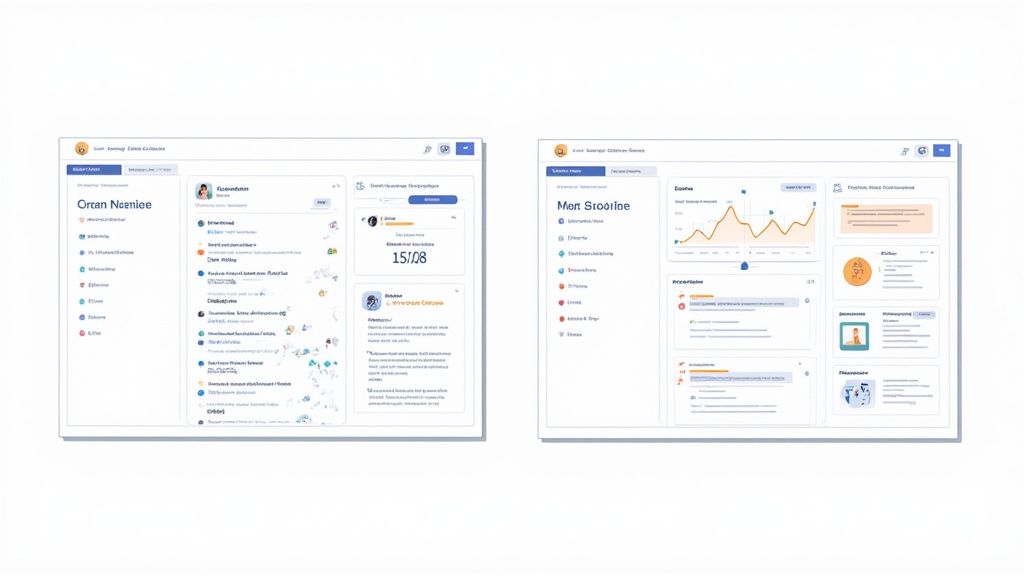
When many Amazon sellers hear "content creator marketplace," they might think of older influencer platforms. But the two are fundamentally different. A traditional influencer platform often acts as a digital directory of creators, leaving the heavy lifting of outreach, vetting, and negotiation on your shoulders.
This manual process is a significant drain on resources. For an Amazon brand owner juggling numerous responsibilities, such an approach simply doesn't scale. A modern content creator marketplace, however, is a complete ecosystem designed from the ground up to manage creator partnerships efficiently.
From Static Lists to Dynamic Ecosystems
The key difference lies in functionality and management. While a directory provides a list of names, a marketplace offers the integrated tools to run entire campaigns from start to finish. For a busy Amazon brand, this is a massive advantage.
Instead of just contact information, a marketplace comes with a suite of tools that handle the entire workflow:
- Structured Campaign Briefs: Build clear, detailed instructions for creators, ensuring everyone is aligned on deliverables, key messages, and goals.
- Automated Payments: The platform securely manages all financial transactions, from initial deposits to final payouts, eliminating invoicing headaches.
- Secure Content Delivery: Creators upload their work directly to the platform for review and approval, keeping all assets organized in a central hub.
This all-in-one approach significantly reduces administrative work. You can launch campaigns faster, manage more collaborations simultaneously, and maintain a clear overview of your entire creator program without getting lost in spreadsheets and emails.
A true marketplace doesn't just introduce you to creators; it provides the infrastructure to build, manage, and scale long-term, profitable partnerships.
The Power of Vetted Talent and Performance Data
Another significant differentiator is the quality and transparency of the creator pool. Old-school directories are often a free-for-all, requiring you to manually investigate a creator’s audience, engagement rates, and past work to determine if they are a good fit for your Amazon products.
In contrast, a dedicated content creator marketplace usually vets its creators. They often provide access to performance histories and verified data, so you can see how a creator has performed on past campaigns. This transparency is a game-changer, allowing you to confidently select partners with a proven track record of creating content that resonates with an audience and drives results.
Choosing the right platform is critical, as each one offers a unique set of tools. It's wise to explore some of the best creator platforms to understand the landscape and find one that aligns with your Amazon brand's specific needs.
What are the Benefits of Using a Creator Marketplace vs. Going Direct?
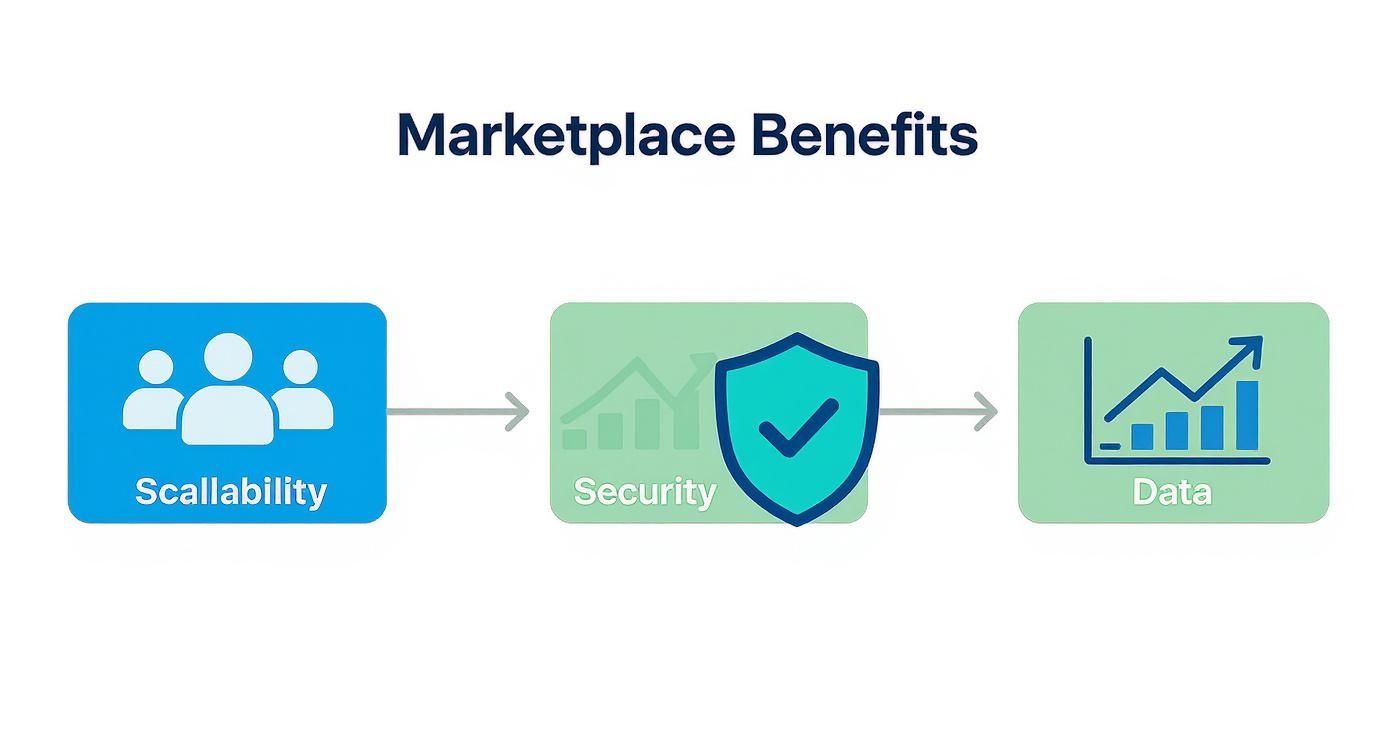
For an Amazon brand, using a content creator marketplace offers three major advantages: scalability, security, and data. While going direct might seem appealing, managing even a few collaborations can quickly become a full-time job. A marketplace streamlines this entire process.
This structure allows you to move beyond one-off partnerships and build a repeatable, scalable creator program. Instead of spending hours on outreach, rate negotiations, and chasing invoices, you can focus on strategy. The platform handles the operational heavy lifting, enabling you to scale from a single test campaign to dozens of collaborations without expanding your team.
Streamlined Management and Scalability
The primary benefit is raw efficiency. Managing contracts, tracking content, and processing payments for multiple creators via spreadsheets and emails is not just inefficient; it's a recipe for costly errors and missed deadlines.
A content creator marketplace acts as a central command center. Every brief, asset, and payment is tracked in a single dashboard. This level of organization makes scaling possible for fast-moving Amazon brands. It empowers you to launch campaigns quickly, test different content formats, and amplify what works without getting bogged down in administrative tasks.
The real value of a marketplace isn't just finding creators; it's the operational backbone it provides. This structure allows you to build a scalable, repeatable system for generating authentic content that drives sales on Amazon.
This organized system is part of a massive industry. The digital content creation market generated approximately $27.1 billion in global revenue in 2023, with the tools and platforms connecting brands and creators accounting for over $20 billion of that figure.
Built-in Security and Payment Protection
Handling contracts and payments directly with creators carries inherent risks. What if a creator fails to deliver content after receiving payment? How do you ensure you have the legal rights to use their content on your Amazon listings? These issues can lead to significant legal and financial complications.
A marketplace acts as a trusted intermediary, mitigating these risks. It provides standardized contracts that protect both you and the creator, clearly defining deliverables, timelines, and content usage rights. Payments are typically held in escrow and released only after you approve the final content, ensuring you receive what you paid for. This security is vital for any brand investing in creator marketing and is especially critical for Amazon sellers participating in programs like Amazon Creator Connections for sellers.
Access to Actionable Performance Data
For an Amazon brand, access to meaningful performance data is perhaps the most crucial benefit. When working directly with creators, proving return on investment (ROI) is a significant challenge. A modern content creator marketplace solves this by integrating with analytics tools.
For Amazon sellers, features like Amazon Attribution integration are a game-changer. They allow you to draw a direct line between a creator's post and a sale on your product detail page.
You can track key metrics such as:
- Clicks: See which creator links are driving the most traffic to your listings.
- Add to Carts: Identify content that encourages customers to consider a purchase.
- Conversions: Pinpoint which creators and content pieces are directly generating sales.
This data transforms your creator program from a marketing expense into a measurable growth engine. With a platform like Coral, built around transparent data and ROI, you can make informed decisions, optimize your budget, and build profitable, long-term relationships with creators who genuinely impact your brand's performance.
How Do You Evaluate Marketplace Fees and Commission Structures?
Before committing your budget to a creator marketplace, it's essential to understand its financial model. Fee structures vary widely, and choosing the wrong one can diminish your ROI. For an Amazon brand, you need a model that aligns with your objectives, whether that's generating large volumes of UGC or driving sales through affiliate partnerships.
Evaluating fees isn't just about finding the lowest price; it's about finding a transparent partner that delivers real value. The goal is to ensure your investment pays talented creators and yields results, rather than being consumed by hidden platform costs.
Comparing Common Marketplace Fee Structures
Most marketplace pricing models fall into a few categories. Each has pros and cons for an Amazon brand, so understanding the mechanics is the first step toward making an informed decision. Here's a comparison of common marketplace models, their fee structures, and the benefits they offer creators and brands.
| Fee Model | How It Works | Best For Amazon Brands Who... | Creator Benefit |
|---|---|---|---|
| Subscription | Pay a flat monthly or annual fee for platform access. | ...run continuous, high-volume campaigns and need predictable costs. | Consistent opportunities from committed brands. |
| Commission | The platform takes a percentage of each creator payout. | ...are new to creator marketing and want costs to scale with usage. | No upfront cost to join; platform is incentivized to find them work. |
| Per-Campaign Fee | Pay a fixed cost for each individual campaign you launch. | ...run occasional, project-based campaigns with a defined scope. | Clear, project-based earnings without long-term platform commitment. |
| Hybrid Model | A combination of a base subscription and smaller commission fees. | ...want predictable costs but also the flexibility to scale up or down. | A mix of steady platform access and performance-based opportunities. |
Ultimately, the best model depends entirely on your brand's goals, budget, and how you plan to scale your creator program over time.
What Questions Should Amazon Brands Ask About Fees?
To see past marketing claims and find a truly transparent partner, you need to ask the right questions. Don't just look at the headline price—dig deeper to uncover hidden costs or policies that could negatively impact your brand or your relationships with creators.
Here are the essential questions to ask:
- Are there hidden processing or service fees? Some platforms add small percentage fees for payment processing or "administrative services." Always request a full breakdown of all charges.
- What is the creator's take-home pay? A platform that takes a large cut from creators is a red flag. It often leads to lower-quality talent and transactional, rather than collaborative, relationships.
- How are creator payouts handled? Understand the payment schedule and method. Platforms that pay creators quickly and reliably build trust and attract the best talent for your Amazon campaigns.
- Does the model support performance-based payouts? For an Amazon brand, affiliate commissions are a powerful tool. Ensure the platform can handle commission-based campaigns that reward creators for driving sales.
Understanding these financial models is crucial. You can learn more by exploring guides on UGC marketplace fees.
Ensuring Fairness and Transparency for Long-Term Success
A successful creator program is built on fairness. The flow of money through these marketplaces can vary significantly. On some platforms, the top 10% of creators have earned over $171 million in a single year, indicating a winner-takes-all dynamic. A transparent fee structure ensures that both brands and a broader pool of creators can build sustainable, long-lasting partnerships.
The best marketplace models create a win-win scenario. Brands get a clear ROI, and creators receive fair, prompt payment for the value they provide. Anything less is a red flag.
Ultimately, evaluating fees is about more than just numbers. To understand the true value and maximize your investment, you must track content performance effectively. Choosing a partner with a clear, fair financial model is the foundation of a successful and scalable creator program for your Amazon brand.
Must-Have Features for Amazon Brands

Not every content creator marketplace is built for the unique demands of selling on Amazon. To succeed, your brand needs a platform with features specifically designed to drive Amazon sales, not just social media engagement. Choosing the right marketplace means looking beyond surface-level perks to find tools that deliver a measurable return.
Think of it as a checklist for the Amazon flywheel—authentic content drives traffic, which boosts conversions and improves your product ranking. This requires a specific set of tools tailored to the world's largest online retailer.
Seamless Amazon Attribution Integration
This is the most critical feature. Without proper tracking, you are essentially investing in creators without knowing the outcome. A marketplace with built-in Amazon Attribution is the only way to get reliable performance data.
This integration connects off-Amazon marketing efforts, like a creator’s Instagram post, to a customer’s purchase on your product detail page. It bridges the data gap that leaves most brands guessing about their ROI.
With this feature, you can track:
- Off-Amazon Clicks: See exactly how much traffic each creator is sending to your listings.
- Add to Carts: Pinpoint the content that moves customers closer to purchase.
- Direct Sales and Conversions: Attribute specific purchases back to individual creators and their content.
This insight transforms your creator program from a marketing expense into a predictable growth engine. To understand its power, learn more about how Amazon Attribution helps you measure off-site marketing.
A Creator Pool Experienced in Amazon Content
The content that performs best on Amazon is unique. You need creators who understand the Amazon customer journey and can produce assets that feel native to the platform. Look for a marketplace with a deep pool of creators experienced in producing high-conversion formats.
A great platform doesn't just give you access to creators; it gives you access to the right creators who know how to sell on Amazon. Their expertise in creating authentic, platform-specific content is invaluable.
Key content types to look for include:
- Amazon Shoppable Videos: These are invaluable for your product detail pages and storefront, providing social proof and demonstrating your product in use.
- Amazon Posts Content: Creators can craft lifestyle images and captions for Amazon's on-site social feed to drive product discovery.
- User-Generated Content (UGC) for Listings: High-quality, authentic photos and videos can be repurposed on your product pages to significantly boost conversion rates.
Streamlined Briefing and Clear Licensing
Efficiency and legal protection are paramount. A top-tier marketplace should provide simple tools for creating detailed campaign briefs. This ensures creators understand your expectations, from key talking points to calls-to-action, which reduces back-and-forth and saves time.
Equally important are clear and straightforward content licensing terms. The platform must make it simple to secure the rights to use creator content across all marketing channels, especially on your Amazon product pages. Without explicit rights, you risk legal issues. A good marketplace automates this process, protecting both you and the creator.
Launching Your First Creator Program on Amazon
Entering the world of creator marketing can feel daunting, but the key is to start smart. Instead of launching a massive campaign from the outset, focus on setting clear goals and learning from your initial partnerships to build a powerful, scalable engine for your Amazon brand.
The first step is to define what success looks like for your brand. Move beyond vague goals like "increase brand awareness" and tie your objectives directly to your Amazon store's performance.
Defining Clear and Measurable Goals
Think about the metrics that truly matter to your business. A well-defined goal provides clear direction and makes it much easier to measure your return on investment.
Here are examples of strong, Amazon-centric goals:
- Boost Conversion Rates: Aim to increase the conversion rate for a specific ASIN by 5% within 60 days by using creator-generated videos on the product detail page.
- Generate Authentic Video Reviews: Partner with five creators to produce authentic unboxing videos for your storefront and social ads.
- Drive Targeted Traffic: Use creators to drive 1,000 qualified clicks to a new product listing in its first month using tracked Amazon Attribution links.
The most successful creator programs start with a crystal-clear objective. Knowing exactly what you want to achieve allows you to select the right creators and craft a brief that sets them up for success.
Crafting a Compelling Creator Brief
Once your goal is set, write a compelling brief. This document is your primary communication tool with creators, so it must be clear, concise, and inspiring. It should convey your brand's unique value while setting firm expectations.
Your brief should include:
- Brand & Product Overview: Briefly explain who you are, what makes your product special, and who your target customer is.
- Campaign Goals: Share your specific objective, whether it's driving sales or generating UGC.
- Key Talking Points: Provide 3-5 essential messages, but give creators the freedom to communicate them in their own voice.
- Deliverables & Deadlines: Clearly outline what you need (e.g., one 60-second video, three lifestyle photos) and when.
- The "Don'ts": List any restrictions, such as mentioning competitors or making unverified product claims.
This document prevents misunderstandings and ensures the content you receive is on-brand and meets your goals.
Selecting the Right Creators for Your Brand
Finding the right partners is more about alignment than audience size. You need creators whose content style and audience demographics match your ideal Amazon customer. A content creator marketplace simplifies this discovery process, allowing you to filter creators by niche, past performance, and experience with Amazon-specific content.
When evaluating potential partners, focus on genuine engagement over vanity metrics. A creator with 10,000 engaged followers who trust their recommendations is more valuable than one with 100,000 passive viewers. Start small, test with a few creators, and use performance data from your marketplace to identify who truly drives results for your brand. This iterative approach allows you to learn quickly and scale your investment in the partnerships that deliver real results.
Frequently Asked Questions
Jumping into something new always brings up a few questions. Let's tackle the most common ones that Amazon brand owners ask when they're thinking about using a content creator marketplace to grow their business.
What is a Good Affiliate Software for Starting on Amazon US?
For brands selling on Amazon US, the best starting point is often not traditional software but a specialized marketplace with integrated affiliate and tracking tools. The essential feature to look for is direct Amazon Attribution integration.
This is crucial because it's the only way to accurately determine which creators are driving sales, not just clicks. It allows you to track valuable actions like "Add to Carts," providing a clear picture of your campaign's effectiveness.
Platforms like Coral are designed specifically for this purpose. They connect you with creators and provide the tools to set custom commission rates and view all your performance data in one place, turning affiliate marketing into a predictable and measurable sales channel.
How Do You Evaluate Marketplace Fees and Commission Structures?
When evaluating fees, look beyond the initial price. First, understand the model: is it a flat monthly subscription, a commission on creator payouts, or a hybrid? For many Amazon brands starting out, a commission-based model is practical because costs scale with your program's activity.
Next, inquire about hidden costs, such as payment processing fees. It's also important to know what percentage of your payment reaches the creator. A transparent marketplace prioritizes fair creator compensation, which helps attract top-tier talent. Finally, ensure the platform can handle performance-based payouts like affiliate commissions, which are vital for any Amazon sales program.
A fair and transparent fee structure is the foundation of a healthy, long-term creator program. It ensures your investment goes toward great content and real results, not unexpected platform costs.
Ready to build a powerful, scalable creator program for your Amazon brand? Coral provides the tools to launch your affiliate program, connect with vetted creators, and track every sale with Amazon Attribution. Start your free trial today and see your ROI grow.