What are the best social media platforms for content creators in 2025?
Category: Best social media platforms for content creators
When you're trying to figure out the best social media platforms for content creators building an Amazon US brand, a few big names always come to the top of the list: YouTube, TikTok, and Instagram. These giants have the biggest audiences and the slickest monetization tools, but the right choice for you really comes down to your brand, your style, and who you're trying to reach.
What Are the Best Social Media Platforms for Creators in 2025?
Picking a platform isn't about finding the one "best" option. It's about finding the perfect stage for your Amazon brand's story. And for brand owners who are all-in on driving Amazon sales, this decision is the bedrock of your entire marketing plan. The creator economy is absolutely booming, so choosing your platform strategically is no longer a "nice to have"—it's a must.
The growth we're seeing is staggering. Since 2020, over 165 million new content creators have jumped into the game, with YouTube alone now home to more than 64 million creators around the globe. This explosion is being fueled mostly by Millennials (42%) and a fast-rising wave of Gen Z creators (14%), which tells you the space is both exciting and incredibly competitive.
Comparing the Top Platforms
To make a smart call, you need a clear picture of what each platform brings to the table. Think of YouTube as your authority-builder, the perfect spot for deep-dive product reviews. TikTok is your engine for going viral and getting discovered, while Instagram is your brand’s glossy visual portfolio. Each one has its own vibe, from the people who hang out there to the kind of content that pops off.
Getting a handle on these differences is step one. But before we get into specific strategies, let’s take a quick look at how they stack up side-by-side. Seeing their core strengths will help you line up your brand’s goals with the right environment. Our guide on the top creator platforms can give you some more context for making this big decision. For a broader look at the options out there, this guide on the 12 Best Platforms for Content Creators is a great resource.
To help you visualize this, here's a quick rundown of how these social powerhouses compare for creators focused on Amazon.
Top Social Platforms at a Glance for Amazon Creators
| Platform | Best For | Primary Audience | Top Monetization Feature |
|---|---|---|---|
| YouTube | Long-form reviews, tutorials, and building trust. | Millennials & Gen Z (broad age range) | YouTube Shopping & Affiliate Links in Descriptions |
| TikTok | Viral discovery, short-form demos, and trend-based content. | Gen Z & Young Millennials | TikTok Shop & Affiliate Links in Bio/Videos |
| Lifestyle visuals, community building, and brand storytelling. | Millennials & Gen Z | Instagram Shopping & Affiliate Links in Stories/Bio |
This table should give you a starting point. It's not about being everywhere at once; it's about choosing the right playground for your brand.
The most effective strategy isn't about being everywhere at once. It's about being in the right place, with the right message, for the right audience. Success comes from matching your brand's unique voice to the platform where it will resonate most powerfully.
This focused approach makes sure your energy is well-spent and your content actually connects with people who are ready to listen—and, ultimately, to buy.
Building Authority with YouTube
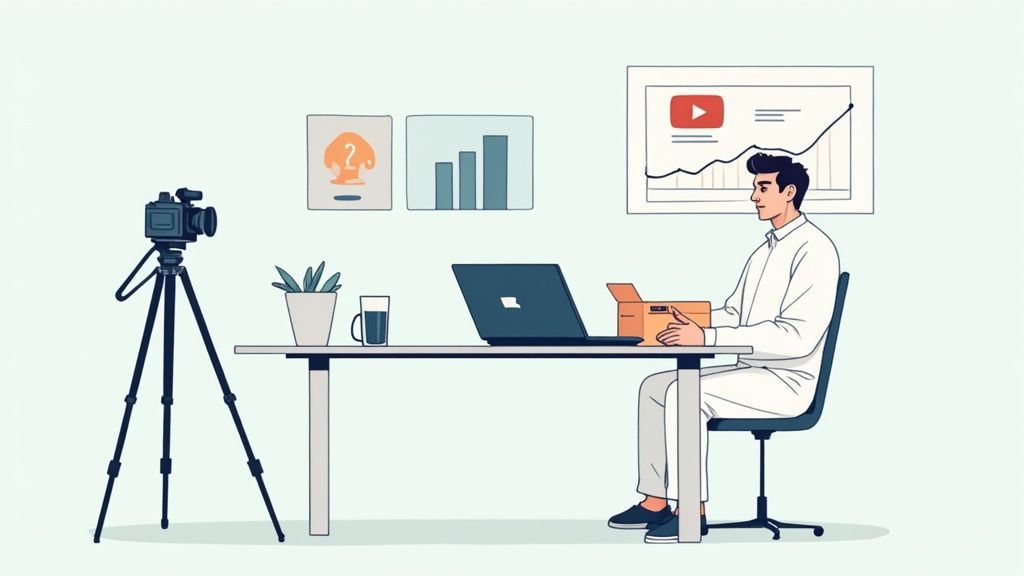
If TikTok is all about fast discovery, think of YouTube as your digital storefront—the place you build deep, lasting trust. For an Amazon brand, that kind of authority is priceless, and YouTube is the best platform to earn it. Its long-form video format is built for creating evergreen content that keeps working for you for months, or even years.
This is where you can go way beyond quick product highlights and actually teach your customers. Detailed product reviews, in-depth tutorials, and compelling brand stories feel right at home here, turning casual viewers into loyal buyers who genuinely understand and believe in what you sell.
Which platform pays creators the most?
When creators ask which platform pays the best, YouTube consistently tops the charts. It's built a mature ecosystem with multiple, solid ways to make money, rewarding creators for building a dedicated community. That financial stability is a huge reason it’s considered one of the best platforms for creators who want to build a sustainable career.
Platform dependence is a serious risk. If a major platform suddenly vanished, roughly 42% of creators would lose $50,000 or more in yearly revenue from YouTube alone. The stakes are just as high on Instagram (38%) and TikTok (37%). These numbers really drive home the importance of a platform's stability, and with over 100 million active channels, YouTube’s sheer dominance offers a level of security you can’t ignore. You can find more stats on the creator economy over on inbeat.agency.
The main ways to earn directly on YouTube include:
- YouTube Partner Program (YPP): Once you qualify, you get a cut of the revenue from ads shown on your videos. This is the foundation of most full-time YouTubers' income.
- Channel Memberships: Offer special perks like custom emojis and members-only videos to fans who pay a monthly subscription.
- Super Chat & Super Thanks: During livestreams, viewers can pay to have their comments highlighted. Super Thanks lets them tip you on your regular videos.
These features are designed to reward creators who build strong, engaged communities, making the platform incredibly profitable for those who invest the time.
What monetization features does each platform offer?
While ad revenue is a great start, YouTube's real power for Amazon brands comes from its direct sales and affiliate marketing features. The platform has become a powerful sales funnel that connects your content directly to your products.
YouTube isn't just a video-sharing site; it's the second-biggest search engine in the world. People come here actively looking for solutions, reviews, and how-to guides, making it a high-intent environment perfect for showcasing your Amazon products.
This high-intent audience is already primed to buy, which is where YouTube’s affiliate-friendly features really shine. You can seamlessly weave your Amazon products into your videos and guide viewers straight to your listings with links in the description. The whole platform is structured to make the path from discovery to purchase incredibly smooth. You can dive deeper into this powerful combo in our guide on YouTube and affiliate marketing.
How do you choose the right platform for your niche?
For Amazon brands, choosing YouTube means you’re prioritizing education, demonstration, and building trust. If your product has features that need explaining or is best shown in action, this is your platform.
Here are a few content strategies to turn your channel into a sales machine that runs on autopilot:
- In-Depth Product Reviews: Create detailed videos that show off every feature, benefit, and use case. Don't be afraid to compare your product to competitors to prove its value.
- How-To Guides and Tutorials: Make content that solves a real problem for your target customer—using your product, of course. A brand selling kitchen gadgets, for instance, could create a whole series of recipe tutorials.
- Unboxing and First Impressions: Team up with other creators for authentic unboxing videos. These build social proof and excitement, and you can drop direct affiliate links right in their video descriptions.
At the end of the day, YouTube is the best fit for niches where customers do their homework before they buy. By becoming the go-to resource in your category, you build brand equity that translates directly into long-term Amazon sales. And when it comes to keeping all those earnings straight, tools like Coral work across all social platforms, giving you one clean dashboard to track your income from YouTube, TikTok, and anywhere else you’re earning.
Driving Viral Sales with TikTok

If YouTube is the steady, trusted encyclopedia for your brand, TikTok is the lightning strike that gets you discovered overnight. This is the world of rapid-fire trends and impulse buys, a place where your Amazon product can go from totally unknown to completely sold-out in a matter of hours.
The platform’s famously powerful algorithm is built for one thing: discovery. Unlike other social media sites that mostly show you content from accounts you already follow, TikTok pushes videos to users based on pure interest. This means a video from a brand-new account has the same shot at reaching millions as one from a mega-influencer. It’s an incredible engine for explosive growth.
What monetization features does each platform offer?
TikTok’s monetization tools are built for speed, mirroring the fast-paced nature of its content. For Amazon brands, this ecosystem is designed to turn a moment of attention into an immediate sale.
While TikTok might not pay creators as much directly as YouTube does, its real value is in turning views into product sales at an insane rate. The key is knowing how to use its features to tap into that impulsive buying behavior.
Here are the key tools you’ll use:
- TikTok Shop: This is a total game-changer for Amazon brands. It lets you tag products directly in your videos and livestreams, creating a frictionless shopping experience where people can buy without ever leaving the app.
- Creator Marketplace: This is TikTok’s official hub for finding and collaborating with influencers. You can filter creators by niche, audience size, and engagement to find the perfect partners to show off your products.
- LIVE Gifts & Tips: During livestreams, viewers can send virtual gifts that convert into real money for the creator. It’s a great way to build a direct, real-time connection with an audience.
These features, especially TikTok Shop, are built to capitalize on the "see it, want it, buy it" mentality that defines the platform.
How do you choose the right platform for your niche?
Choosing TikTok means you’re betting on trends, authenticity, and the raw power of a good visual demo. If your product looks great on camera, is easy to show off quickly, or solves a common problem in a satisfying way, this is your playground.
There's a reason the #TikTokMadeMeBuyIt trend exists. Users literally come to the app hoping to discover their next favorite thing. Short-form videos are king here, driving 2.5 times higher engagement than long-form content. In fact, video content is shared 1,200% more than text and image posts combined. With 49% of consumers making monthly purchases based on creator content, the commercial power is undeniable. You can find more creator marketing stats like these over on tribegroup.co.
Here are a few content ideas to get your Amazon products trending:
- Problem/Solution Videos: Show a common frustration and how your product elegantly fixes it in under 15 seconds. Think satisfying cleaning gadgets or clever kitchen tools.
- "Unboxing" with a Twist: Ditch the slow, detailed unboxing. Instead, create a fast-paced "get ready with me" or "day in the life" video where your product is the star of the show.
- Partner with Nano-Influencers: These creators have smaller, super-engaged audiences that trust their recommendations completely. Their authentic promotion feels less like an ad and more like a tip from a friend. Finding the right ones is key, and our guide on how to find TikTok influencers can point you in the right direction.
Unlike YouTube's evergreen content that builds value over time, TikTok content is cyclical and fast-moving. The goal isn't to create a video that lasts for years, but one that captures the cultural moment right now.
This fast pace requires a different mindset. Success on TikTok is all about being agile, jumping on trends, and making content that feels native to the platform—not polished and corporate. When you get it right, the payoff is huge, driving a massive wave of traffic and sales straight to your Amazon listings.
And don't forget, with a tool like Coral, you can manage all your creator earnings from TikTok, YouTube, and more, all from a single, unified dashboard.
Crafting Your Brand Story on Instagram
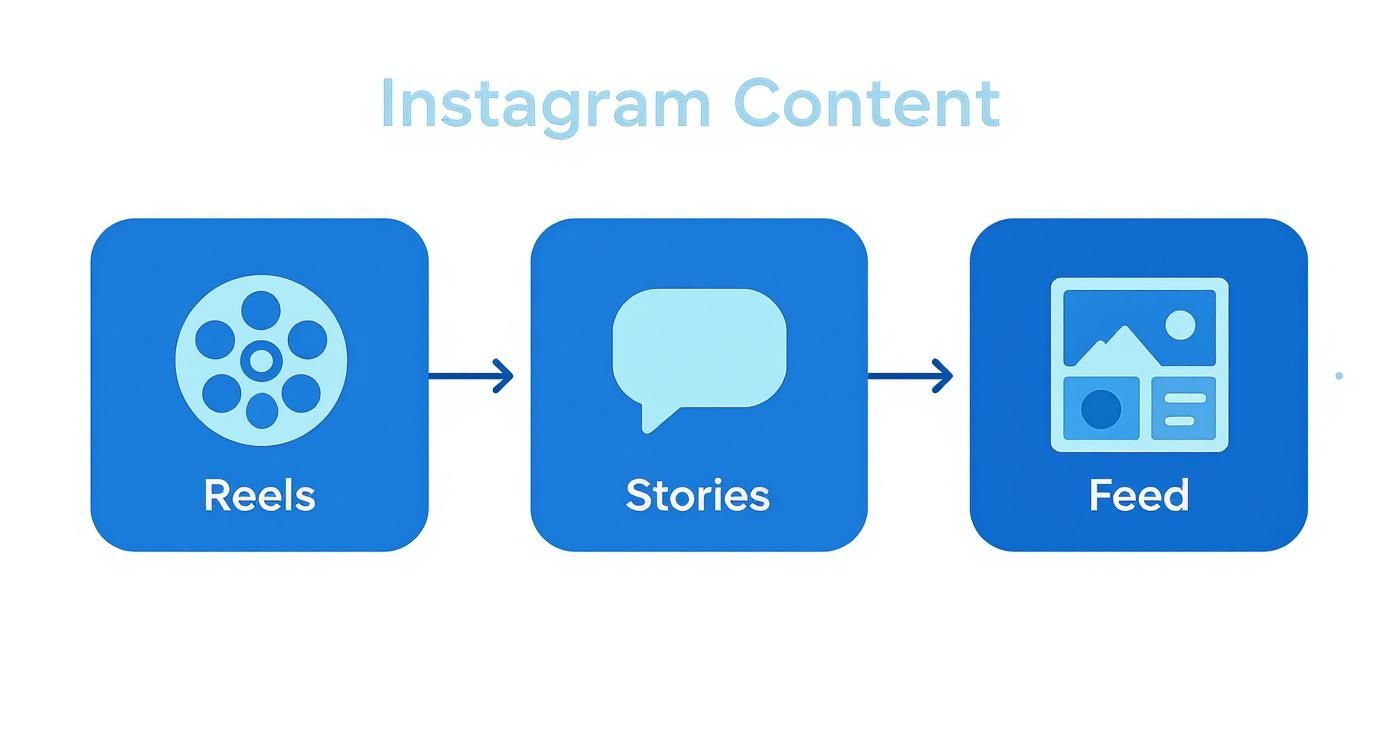
If TikTok is all about explosive discovery, Instagram is where you build your brand’s visual portfolio. This is the spot to cultivate a real lifestyle and a loyal community around your Amazon products, connecting with your audience through a polished and cohesive identity.
Think of Instagram as a multi-tool for building a brand. Every content format has a distinct job, and they all work together to create a rich, interactive world for your followers. This multi-format approach is exactly why it’s one of the best platforms for creators who want to forge a deep, visual bond with their audience.
What monetization features does each platform offer?
Instagram offers a mix of direct and indirect ways to make money, making it a powerful choice for Amazon brands looking to drive sales and lock in partnerships. The platform's features are designed to close the gap between inspiration and purchase, turning engaged followers into actual customers.
Here are the key monetization tools in your arsenal:
- Affiliate Marketing: You can drop affiliate links right into your Stories using link stickers and, of course, in your bio. This creates a clean, direct path for followers to shop the Amazon products you recommend.
- Brand Collaborations: Instagram is the undisputed hub for influencer marketing. Brands can team up with creators for sponsored posts, Reels, and Stories to tap into new, highly targeted audiences.
- Instagram Subscriptions: This feature lets you offer exclusive content and special perks to your most dedicated followers for a monthly fee, creating a steady, recurring revenue stream.
- Instagram Shopping: Even though you're selling on Amazon, you can still use Shopping tags. This creates a seamless discovery experience that gets users in a purchase mindset right from your beautiful visuals.
These tools are tailor-made for a visually-driven audience that is actively seeking inspiration, making it that much easier to convert their interest into a sale.
How do you choose the right platform for your niche?
Choosing Instagram means you're signing up to build an aesthetic and foster a community. It’s the perfect platform for brands whose products are a natural fit for a specific lifestyle, whether that's fitness, home decor, fashion, or beauty. If your product's appeal is visual, Instagram is where it belongs.
The platform’s real power is in its diverse content formats, with each one playing a unique part in your strategy.
Your Instagram feed is your brand's art gallery, Stories are the authentic behind-the-scenes tour, and Reels are the eye-catching billboards that draw new visitors in. A successful strategy uses all three to tell a complete and compelling story.
Here are a few content ideas for Amazon brands to really crush it on Instagram:
- Create Visually Stunning Reels: Use Reels to produce short, cinematic showcases of your products in action. Think less like a sales pitch and more like a mini-commercial that tells a story. When crafting your brand story, understanding how to effectively use video is key. To refine your approach, you can explore helpful resources like this guide on Mastering Instagram Video Advertising.
- Use Stories for Instant Feedback: Run polls and Q&A sessions in your Stories to get immediate feedback from customers on new product ideas or designs. This makes your audience feel like they're part of the journey.
- Collaborate with Niche Influencers: Partner with creators whose vibe and audience are a perfect match for your brand. Their authentic endorsement can build serious trust and drive a ton of traffic to your Amazon storefront. Finding the right partners is crucial, and our guide on how to find Instagram influencers can help you identify the best creators for your brand.
By focusing on community and visual storytelling, you can build a following that not only loves your content but also trusts your brand enough to click through and buy on Amazon. And remember, a tool like Coral works across all social platforms, letting you track creator earnings from Instagram, YouTube, and TikTok in one unified place.
How to Choose the Right Platform for Your Brand
Now that we’ve pulled back the curtain on what makes YouTube, TikTok, and Instagram tick, it’s time to make a call. Picking the right platform for your Amazon brand isn't about jumping on the latest trend; it’s about finding the perfect home for your products, your content, and your ideal customer.
Get this right, and you're connecting with an audience that's ready to buy. Get it wrong, and you're just shouting into the void.
The first step is a quick reality check. Forget the features for a second and ask yourself a few honest questions about your business. The answers will give you a clear framework for deciding where your brand’s unique strengths will shine the brightest.
Define Your Core Objectives
Before you even think about creating a post, you have to know what you’re trying to accomplish. Are you playing the long game for brand awareness, pushing for direct sales right now, or trying to build a loyal community that sticks around?
Each goal has a different playbook.
- For Brand Awareness: Nothing beats TikTok for getting in front of millions of new eyeballs, fast. Its algorithm is built for discovery, making it the perfect launchpad to get your brand’s name out there.
- For Direct Sales: YouTube is a powerhouse for driving sales. The audience is high-intent—they’re actively searching for reviews and solutions. Dropping detailed affiliate links in the description creates a straight line to checkout.
- For Community Building: Instagram is where you build a tribe. The mix of polished feed content and raw, behind-the-scenes Stories helps you cultivate a dedicated following around your brand’s lifestyle.
Think about it this way: a brand selling high-end kitchenware will probably do best on YouTube, where they can post in-depth tutorials that build the trust needed for a bigger purchase. On the flip side, a trendy fashion brand can see explosive growth on TikTok and Instagram, where fast-paced visuals can trigger impulse buys.
Match Your Niche to the Platform
Let's be honest, some products just feel right for certain platforms. A complex tech gadget needs the kind of detailed explanation that only a YouTube video can offer. But a beautiful piece of home decor? That was born for Instagram’s aesthetic-driven feed.
Pairing your Amazon niche with the right social media vibe ensures your content lands with a receptive audience.
To help you connect the dots, we've put together a quick cheat sheet matching popular Amazon categories with the platforms where they’re most likely to thrive.
Platform and Niche Alignment for Amazon Brands
This table helps you match popular Amazon product categories with the social media platform where they are most likely to find success and an engaged audience.
| Amazon Niche/Category | Primary Platform Choice | Secondary Platform | Key Content Strategy |
|---|---|---|---|
| Tech & Electronics | YouTube | In-depth video reviews, feature comparisons, and "how-to" tutorials. | |
| Fashion & Apparel | TikTok | Trend-based "outfit of the day" videos, styling tips, and influencer collaborations. | |
| Home & Kitchen | YouTube | Aesthetic room tours, recipe videos featuring products, and satisfying "clean with me" content. | |
| Beauty & Personal Care | TikTok | YouTube | Quick tutorials, "get ready with me" videos, and authentic product application demos. |
| Health & Wellness | TikTok | Motivational content, workout routines, and visually appealing healthy meal ideas. |
By making a strategic choice upfront, you give every piece of content the best possible shot at finding its audience, sparking engagement, and ultimately driving sales back to Amazon.
And remember, even if your content lives on different platforms, tools like Coral work across all social platforms. This gives you a single, unified view of your creator earnings from every channel, making it simple to manage your brand's presence everywhere.
Creating a Unified Creator Strategy
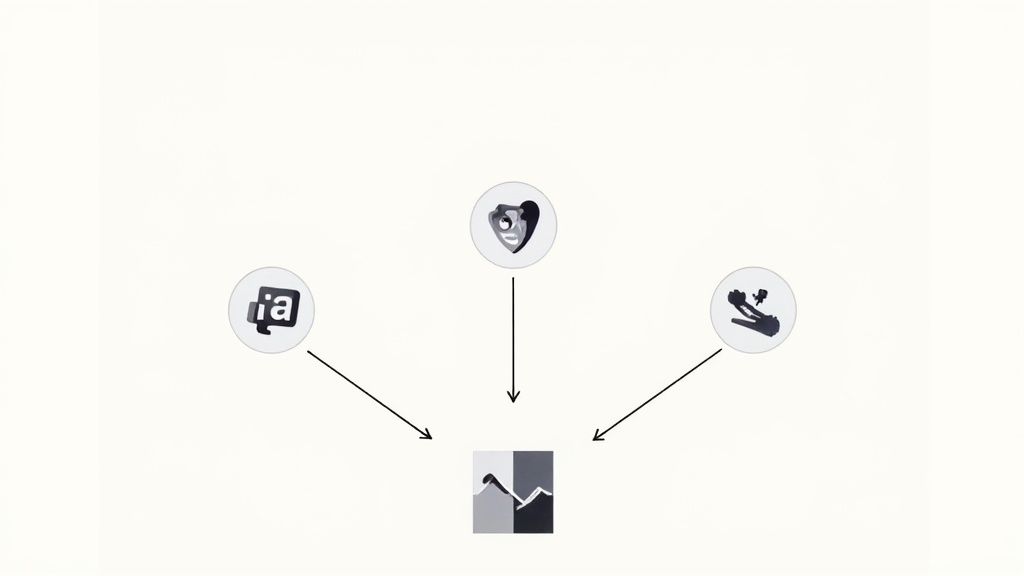
The secret to real growth as an Amazon creator isn't about finding the one "perfect" social media platform. It's about building a smart, interconnected ecosystem where all your channels work together. A multi-platform strategy lets you meet different parts of your audience where they already are, creating a network effect that's way more powerful than any single channel.
This is all about smart cross-promotion. For example, you can use a short, punchy TikTok clip to grab attention and then funnel those viewers over to a deep-dive product review on your YouTube channel. This simple move turns fleeting curiosity into genuine, informed interest.
Unifying Your Creator Business
Here's the catch: managing multiple platforms can get overwhelming, fast. Trying to piece together your earnings and analytics from separate dashboards on YouTube, TikTok, and Instagram is a huge time-sink. It makes getting a clear view of your business nearly impossible. This is where having a central command center becomes a game-changer.
A diverse content strategy shouldn't force you into a fragmented management workflow. The key to scaling your creator business is to centralize your earnings and analytics into a single source of truth that shows you what’s actually working across your entire ecosystem.
This is exactly the problem a platform like Coral was built to solve. Instead of jumping between a dozen different accounts to track payments and performance, Coral plugs into all the major social platforms to pull your creator income into one spot. This streamlined view means you can see your total earnings from every single channel, all in one place.
By simplifying the financial side of your brand, you free up a massive amount of time to focus on what actually moves the needle: creating great content that drives sales. A tool like Coral highlights a core principle for modern creators: while your content strategy should be diverse, the business behind it can—and should—be simple and centralized. This becomes especially critical as you start scaling your partnerships, a key part of growing through micro-influencer programs.
Unpacking the Big Questions
Stepping into the world of social media can feel like a minefield of choices, especially when you're an Amazon brand trying to figure out where your products will shine. Let's tackle the most common questions creators and brands have when weighing their options.
What are the best social media platforms for content creators in 2025?
For Amazon brands, the big three are still YouTube, TikTok, and Instagram. There's no single "best" platform—it all comes down to your product and the audience you're trying to reach.
YouTube is king for in-depth reviews that build trust and authority. TikTok is an absolute beast for viral discovery and impulse buys driven by trends. And Instagram is your go-to for stunning visuals and building a loyal community. While emerging platforms pop up, these three offer the biggest audience and the most reliable monetization tools for creators.
Which platform pays creators the most?
If we're talking direct payouts, YouTube is the clear winner. Its Partner Program (ad revenue), channel memberships, and Super Chat features create a pretty stable income stream for creators who stick with it.
But for an Amazon brand, the highest earning potential might actually come from TikTok. A single viral video can drive a tidal wave of sales to your Amazon listings overnight through TikTok Shop or affiliate links. It's less predictable but has an explosive upside. For a deeper look at maximizing your earnings, exploring the YouTube affiliate program is a great place to start.
How do you choose the right platform for your niche?
It starts with a hard look at your product and your ideal customer. Don't chase trends; find the right fit.
- Selling something complex or expensive? Go to YouTube. You need the long-form video space to do detailed tutorials and build the trust required for a big purchase.
- Got a product that's visually stunning or trend-driven? TikTok and Instagram are your playground. These platforms are built for aesthetics and quick, satisfying demos.
- Building a lifestyle brand? Instagram is perfect for crafting a specific aesthetic and telling a compelling brand story that people want to be a part of.
The goal is to match what your content does best with what users on that platform expect to see.
The biggest mistake new creators make is picking a platform because it’s popular, not because it’s a good fit for their brand’s voice. Your content will always perform better where it feels natural and genuinely helps that specific audience.
What monetization features does each platform offer?
Each of the big three has its own toolkit for making money. YouTube is all about ad revenue sharing and direct fan funding. TikTok and Instagram have gone all-in on e-commerce with features like TikTok Shop and Instagram Shopping, which work seamlessly with affiliate marketing.
Of course, brand collaborations are a huge income source across all three. Trying to juggle income from all these different places can get messy, which is where a tool like Coral works across all social platforms, giving you one clean dashboard to see all your creator income. You can learn more about becoming an affiliate for YouTube and other creator platforms on our blog.
Ready to turn your creator partnerships into a powerful sales engine? Coral helps you launch, manage, and scale your Amazon affiliate program in minutes. With automated tracking, transparent dashboards, and direct payouts, you can build lasting relationships that drive real growth. Start your free trial with Coral today!